

Maintaining LED full-color displays can present significant challenges, especially for those installed using inset or wall-mounted methods where space constraints make maintenance tasks complex. Understanding the maintenance requirements and options is crucial for enhancing the long-term performance and ease of service of these displays.
Differentiating Front and Rear Maintenance for LED Displays
Front Maintenance:
The primary advantage of front maintenance lies in its space-efficiency—a particularly vital feature for installations where space is at a premium, such as interior or embedded structures. This method significantly reduces the overall thickness of the LED display assembly, allowing it to integrate seamlessly with the surrounding architectural environment while conserving valuable space.
However, this setup demands high standards for equipment cooling technologies, as the compact structure limits traditional airflow and cooling methods. The advent of displays such as the Micro GOB LED Display, which are designed for front maintenance, fundamentally addresses these complexities by facilitating straightforward access to faulty modules. When an issue arises, maintenance staff can simply unscrew the front panel to access and replace the problematic module directly. This approach not only simplifies maintenance efforts but also substantially reduces the display’s physical profile.
Using specialized tools like hex wrenches, technicians can easily unlock the module from a hidden front maintenance slot, swiftly removing and servicing the component within seconds. This innovation in maintenance not only simplifies the process but also results in a much lighter and thinner LED display solution compared to traditional options.
Rear Maintenance:
Conversely, rear maintenance offers a cost-effective solution suitable for setups where ease of access from behind is viable—such as rooftop or standalone pillar installations. Large LED displays installed on building exteriors often require designated maintenance pathways at the back to facilitate access for service personnel.
This method allows for comprehensive access to the display’s components from the rear, making it ideal for expansive displays that might demand more intensive and frequent maintenance. It is especially beneficial in scenarios where displays are not flush against a structure and where there is sufficient room to construct service pathways without space constraints.
Comparison and Suitability
Cost-Effectiveness: Rear maintenance setups generally come at a lower upfront cost compared to front access solutions and can be highly efficient in environments where space behind the display is plentiful.
Space Conservation: Front maintenance is the go-to option for space-constrained environments. An Indoor HD LED Display with front access can drastically reduce the depth of the installation, preserving interior space and maintaining aesthetic integrity.
Ease of Maintenance: While front access displays provide unparalleled convenience for maintenance in tight spaces, the traditional rear access method remains practical for large, standalone displays where space is not an issue.
Practical Applications
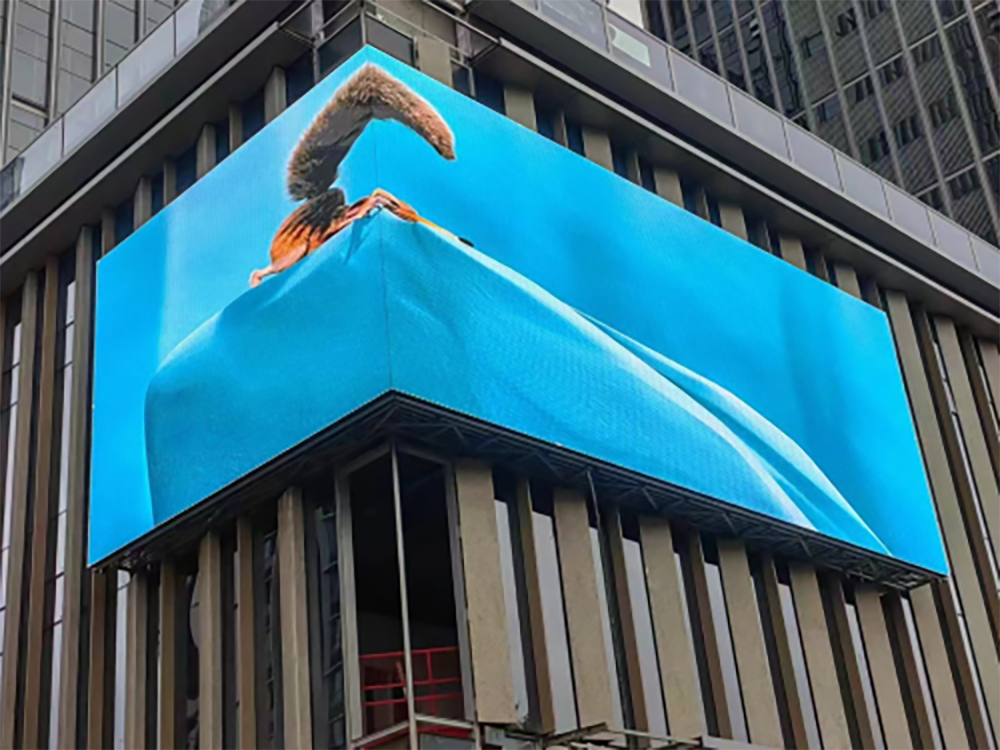
Both maintenance types are essential, depending on installation logistics and environmental considerations. For instance, venues like malls or airports might prefer the Micro COB LED Display for its front maintenance benefits, minimizing disruptions in high-traffic areas. Conversely, an Outdoor LED Display in a stadium or large public square might utilize rear maintenance for its cost benefits and straightforward access afforded by open spaces at the back.
Choosing the Right Maintenance Access
Ultimately, selecting between front and rear maintenance for an LED display involves assessing the installation environment, maintenance frequency, budget constraints, and the physical space available. By understanding these factors, businesses can optimize their LED technology investments, ensuring longevity and ease of maintenance aligned with their operational needs and spatial realities.