

In the quest to improve visual communications and aesthetics in urban spaces and digital advertising, adopting cutting-edge technologies like High-Dynamic Range (HDR) in LED displays is quickly becoming a priority. Originally hailing from the broadcast industry and extensively utilized in photography and high-definition televisions, the application of HDR technology in small pixel pitch LED display screens is revolutionizing how we perceive digital imagery.
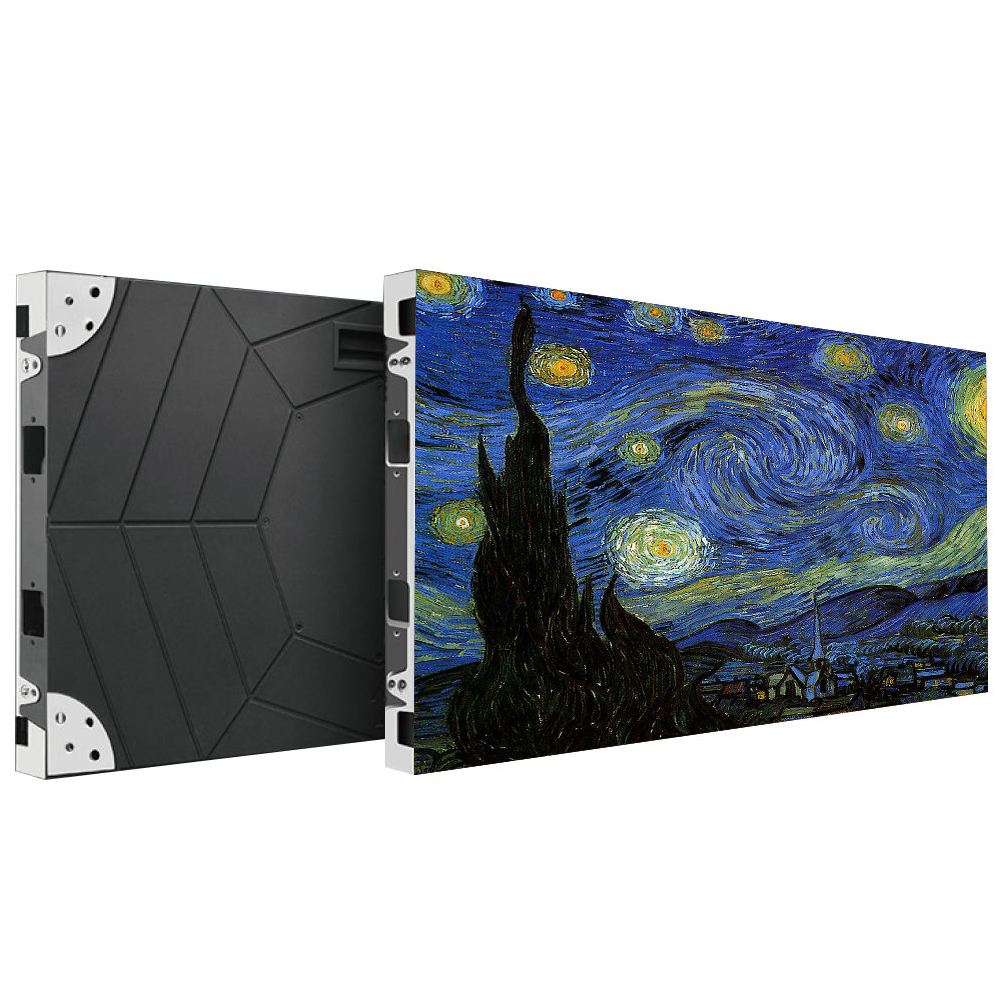
The Application of HDR on Small Pixel Pitch LED Displays
HDR technology, known for its ability to dramatically expand the color and contrast spectrum, has slowly permeated the realm of Micro COB LED Display and Micro GOB LED Display. These small pixel pitch screens, often utilized in Indoor LED Display setups, enhance visuals, making images and videos more vibrant, clear, and lifelike, which is incredibly beneficial in settings such as corporate boardrooms, exhibition halls, and entertainment venues. The clarity and vivid color rendering ensure that every viewer gets a stellar visual experience, significantly enhancing engagement and viewer satisfaction.
Technical Insights into HDR Implementation
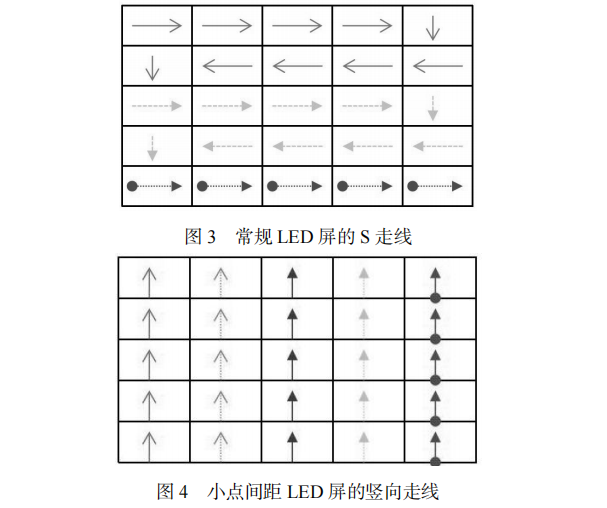
Wiring Considerations for System Integration
In practice, the implementation of HDR in small pixel pitch LED screens requires thoughtful consideration of the wiring system. For instance, displays that typically use a spacing of 1.2 mm or 1.5 mm need a sophisticated setup involving more receiver cards to handle the increased number of LEDs per unit. Unlike conventional wiring, HDR-capable screens necessitate vertical wiring approaches to efficiently manage bandwidth constraints, ensuring that every pixel displays perfect imagery.
Achieving HDR Display
Through a Video Processor:
The use of a video processor that supports HDR functionality is a common approach to realizing HDR display capabilities. This method involves processing HDR video source material, typically in 4K resolution, by decoding and segmenting the footage to be distributed across multiple connected screens. The segmented images are then sent to a transmitter card, which encodes and dispatches the data to receiver cards that ultimately drive the LED display. This processor-centric method emphasizes the decoding and processing capabilities of the video processor, keeping the transmission system focused solely on relay tasks.
Using Dedicated Sending and Receiving Cards:
Another effective method involves utilizing transmitter cards that decode HDR video directly. Once decoded, the video is re-encoded with HDR-specific markers before transmission. The receiving cards recognize these markers and use them to correctly display the HDR content. This collaborative method between the sending and receiving cards fully harnesses the potential of HDR, providing an immersive viewing experience.
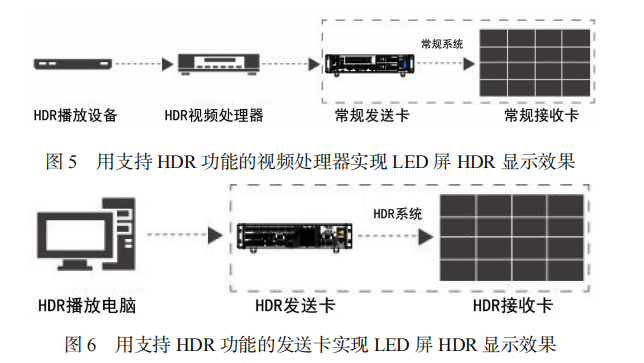
Optimizing HDR Display with Video Processors
The role of the video processor is pivotal, as it not only decodes HDR content but also transforms it into a format suitable for dynamic LED display. This conversion process adjusts various elements like color spectrum, brightness, and contrast relative to the display's capabilities, allowing the transmitted content to maximize the display’s potential without the need for specific adjustments in the sending or receiving units.
This flexible approach effectively adapits to various display technologies, making it easier for users to integrate HDR technology into existing LED setups without extensive modifications. It’s akin to the HLG standard for HDR broadcasts, which provides versatility and superior adaptation to different display technologies, enhancing compatibility and ease of implementation across diverse LED systems.
By integrating HDR technology, particularly through user-friendly methods that do not demand extensive hardware alterations, establishments can significantly elevate the visual quality of their displays. Whether it's a Creative Cube LED Display in a commercial setting or a dynamic Indoor HD LED Display in a corporate environment, HDR technology promises to deliver outstanding visual performance, transforming ordinary screens into spectacular showcases of color and clarity.