

In today’s visual-driven society, LED displays enrich our visual experiences in numerous ways, from vibrant advertising billboards to dynamic event backgrounds. Whether you are considering an installation for a corporate lobby or a bustling public square, choosing the right LED display involves understanding key differences and specific requirements for indoor and outdoor environments.
Understanding Usage Scenarios
Indoor vs. Outdoor Use
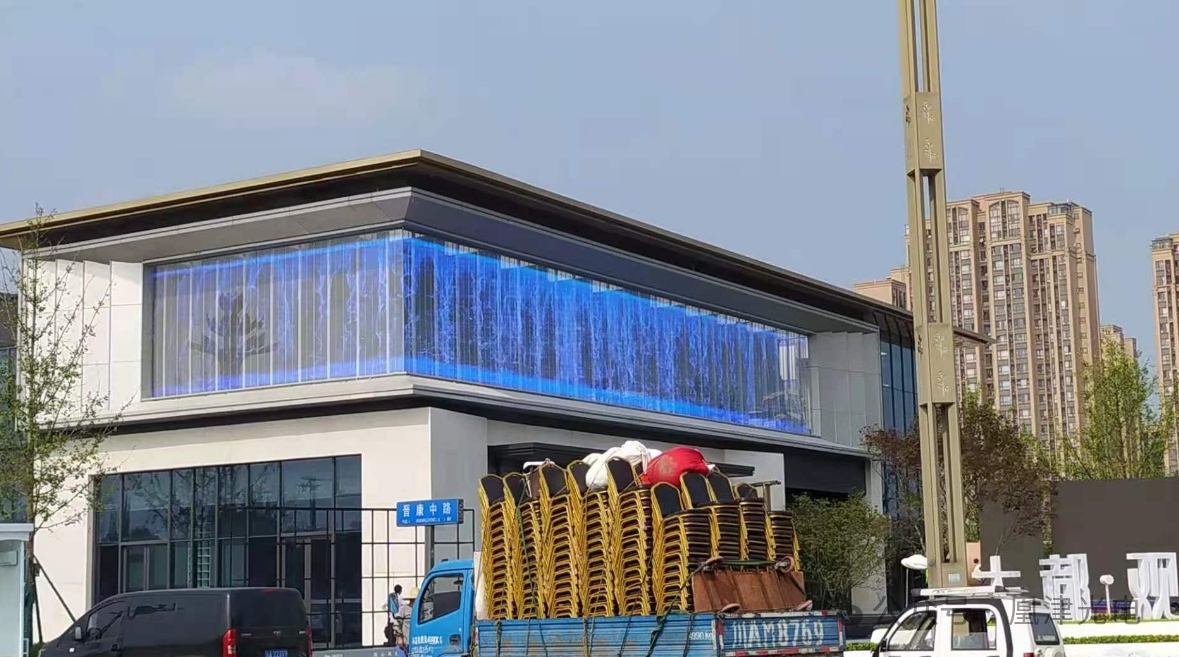
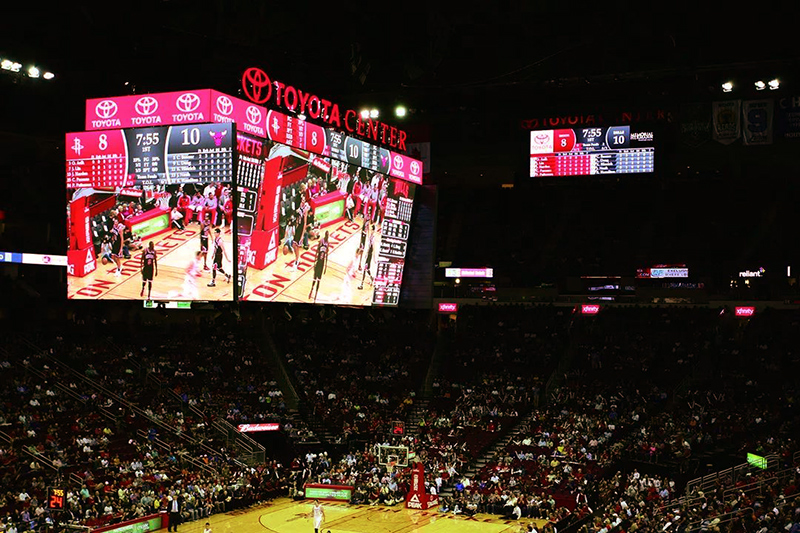
Outdoor LED Display: Characterized by high brightness levels typically above 5000-10000 cd/m² to ensure clear visibility even under direct sunlight. While they generally feature a lower pixel density, their robust design includes high protection ratings (commonly IP65 or higher), safeguarding against water, dust, and moisture, making them ideal for environments like outdoor advertising, sports venues, and public squares.
Indoor LED Display: These displays provide lower brightness levels ranging from 800-2000 cd/m², suitable for controlled lighting conditions indoors. They boast a higher pixel density for high-definition clarity, making them perfect for applications requiring detailed visual presentations such as in boardrooms, studios, malls, and exhibition halls.
Viewing Distance
If the viewing distance is less than 5 meters, a small pitch LED display with a pixel pitch of P2 or lower is advisable to deliver high-resolution and refined image quality.
For medium viewing distances (5-20 meters), selecting a pixel pitch between P2 to P5 balances display clarity and cost-effectiveness.
Displays viewed from over 20 meters away can utilize larger pitch LEDs (P5 and above), which are more cost-effective for such applications.
Performance and Display Requirements
Resolution and Clarity
Opt for a high-resolution Indoor HD LED Display if the demand is for ultra-clear image and video display. The higher the pixel density, the clearer the image.
Color Accuracy
High color accuracy displays are essential for true-to-life reproduction of images and videos. Look for displays with wide color gamut and high saturation for vibrant and crisp imagery.
Refresh Rate and Grayscale
A higher refresh rate ensures smoother image transition, crucial for displays showing fast-moving visual content. Typically, a display with a refresh rate of 1920Hz or more will satisfy most needs.
The higher the grayscale level, the better the gradation and transition of colors on the display, enhancing the overall visual quality.
Assessing Durability and Reliability
Brightness and Contrast
Adapt the brightness of the display according to ambient light conditions. For brightly lit or outdoor environments, prioritize displays with higher brightness.
Thermal Management
Efficient cooling mechanisms are vital for the stable operation and longevity of displays, with options ranging from natural convection and fan cooling to more complex liquid cooling systems depending on the display's power requirements.
Stability and Reliability
Choose reliable brands known for quality. Verifying manufacturer certifications and product testing reports can be insightful in assessing the display’s durability.
Considering Costs and Budget
The price of LED displays varies based on brand, specifications, and performance features. Assess the total cost of ownership, which includes installation, maintenance, and operational expenses, not just the upfront purchase price. Opt for displays like Stage Rental LED Display and Creative LED Digital Signage that offer ease of installation and lower long-term maintenance costs.
Additional Factors
Control Systems
Opt for a robust control system that ensures reliable operation of the display. Advanced systems may offer features like remote monitoring and automatic brightness adjustment.
Design and Aesthetics
Depending on the usage scenario and personal preference, the design of the LED display can vary. Creative options like Creative Cube LED Display can enhance the aesthetic appeal and make the display a centerpiece in its environment.
Energy Efficiency
Energy-efficient displays not only reduce operational costs but also support sustainability efforts. New technologies in LED displays can significantly lower energy consumption.
By carefully analyzing these factors, you can choose an LED display that not only meets your specific needs but also offers durability, visual excellence, and cost-effectiveness, enhancing your space with vibrant, dynamic imagery.