

Choosing between Micro COB LED Display and Micro GOB LED Display is a critical decision for businesses, as it directly impacts display performance, durability, and long-term operational costs—especially when considering dust resistance, a key factor for many indoor and semi-outdoor applications. Both are cutting-edge options under the umbrella of Micro Led Display, but their distinct encapsulation technologies lead to differences in dust protection, resolution, maintenance, and cost. To make the right choice, you need to align each technology’s strengths with your project’s specific needs, including dust exposure, visual requirements, and budget.
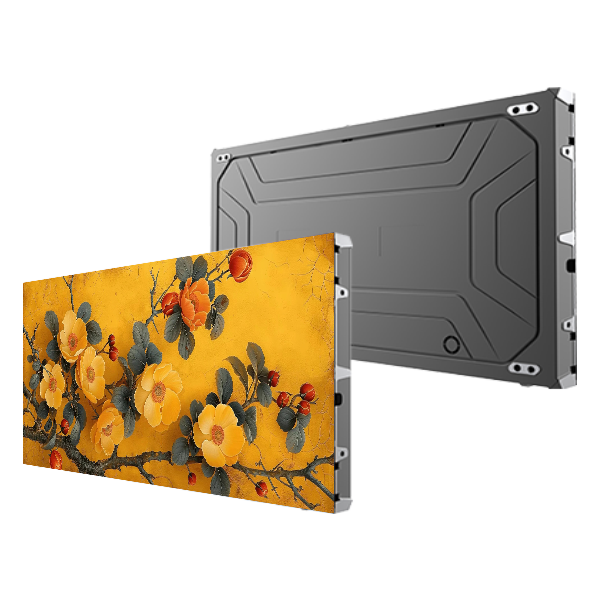
Dust resistance is a non-negotiable requirement for many display projects, and the two technologies approach this challenge differently. Micro COB LED Display uses a chip-on-board design, where bare RGB chips are directly bonded to the PCB substrate and fully encapsulated with a protective glue. This integrated structure eliminates gaps between lamp beads, creating a seamless, dust-tight surface that effectively prevents dust from entering the internal components. This makes it an excellent choice for fine pixel pitch led screen applications, such as high-end conference rooms, data centers, and medical imaging facilities, where even tiny dust particles can damage performance and clarity.
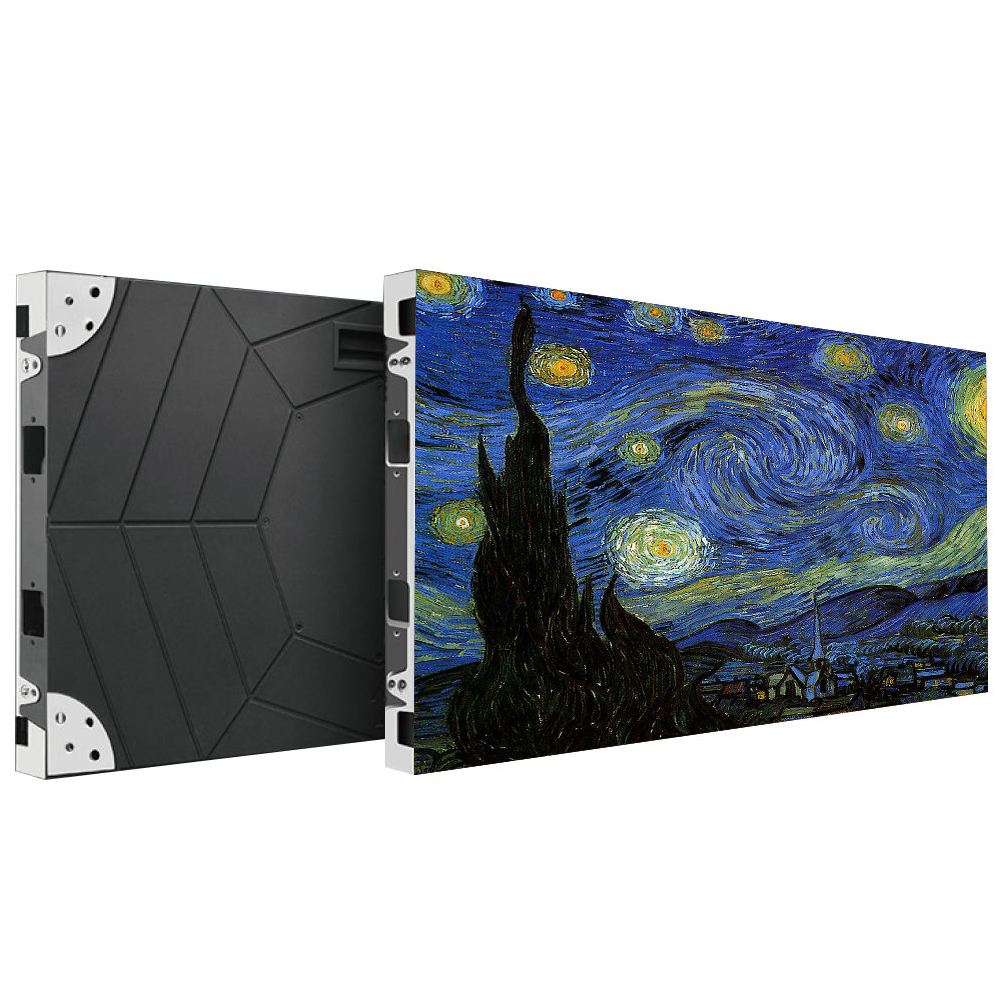
Micro GOB LED Display, by contrast, is an upgrade of traditional SMD technology, with a layer of transparent protective glue coated over the surface of existing lamp beads. While this glue layer provides basic dust protection—preventing large dust particles from damaging the lamp beads—it does not eliminate the gaps between individual lamp beads. This means it offers moderate dust resistance, suitable for environments with low to medium dust levels, but not ideal for harsh, dusty settings. Its advantage lies in cost-effectiveness and ease of maintenance; unlike COB, GOB allows for local lamp bead replacement, reducing repair costs when dust or damage occurs.
Another key consideration is the application scenario, especially for large-scale display systems like Micro led display video wall. For video walls used in industrial control rooms, outdoor pavilions, or busy commercial lobbies—where dust accumulation is inevitable—Micro COB’s superior dust resistance and seamless design make it the better choice. Its integrated structure not only keeps dust out but also delivers ultra-clear, uniform images with no visible seams, enhancing the overall visual experience. Additionally, its excellent heat dissipation (from chip-on-PCB bonding) ensures stable operation even in dusty environments where heat buildup can be a problem.
Micro GOB LED Display, however, is more suitable for scenarios with controlled dust levels, such as shopping malls, retail stores, and small event venues. These environments require basic dust protection but prioritize cost and flexibility. GOB’s lower price point and easier maintenance make it a practical choice for businesses looking to deploy large displays without breaking the bank. It also performs well in medium-resolution applications, where fine pixel pitch is not a top priority, and dust exposure is manageable with regular cleaning.
In conclusion, the choice between Micro COB and Micro GOB LED Display hinges on three core factors: dust exposure, resolution needs, and budget. If your project requires superior dust resistance, ultra-fine resolution, and long-term stability (e.g., fine pixel pitch screens or video walls in dusty environments), Micro COB is the optimal choice. If you need basic dust protection, cost-effectiveness, and easy maintenance for medium-resolution applications, Micro GOB is more suitable. By evaluating your environment and priorities, you can select the display solution that delivers the best performance and value.