

With the rapid upgrading of commercial display and smart space construction, large-scale Indoor Led Display has been widely adopted in shopping mall atriums, enterprise exhibition halls, conference centers and cultural venues. As project area continues to expand, the installation construction becomes more systematic and complicated. Unlike small-sized display screens, large-scale indoor display projects put forward extremely high standards for structural stability, splicing accuracy and overall aesthetics. Many engineering teams encounter common problems such as uneven wall foundation, unreasonable load-bearing design and inaccurate module docking during construction, which easily lead to poor screen flatness and hidden safety risks. Solving these installation pain points with professional and standardized solutions has become the key to ensuring high-quality project delivery.
The first core challenge in large-scale indoor display installation is structural adaptation and precise seamless splicing. Most indoor building walls and suspended ceilings have subtle flatness errors and limited load-bearing capacity. Simply applying unified installation brackets will cause deviation in module assembly, resulting in obvious stitching lines and affecting the overall viewing experience. To solve this problem, construction teams need to conduct comprehensive on-site surveying and mapping before construction, accurately measure wall flatness, load-bearing range and space size. Adopting adjustable keel structures and flexible fixed supports can adapt to different indoor structural environments, realize millimeter-level fine splicing, and effectively avoid screen deformation and uneven gaps after long-term operation.
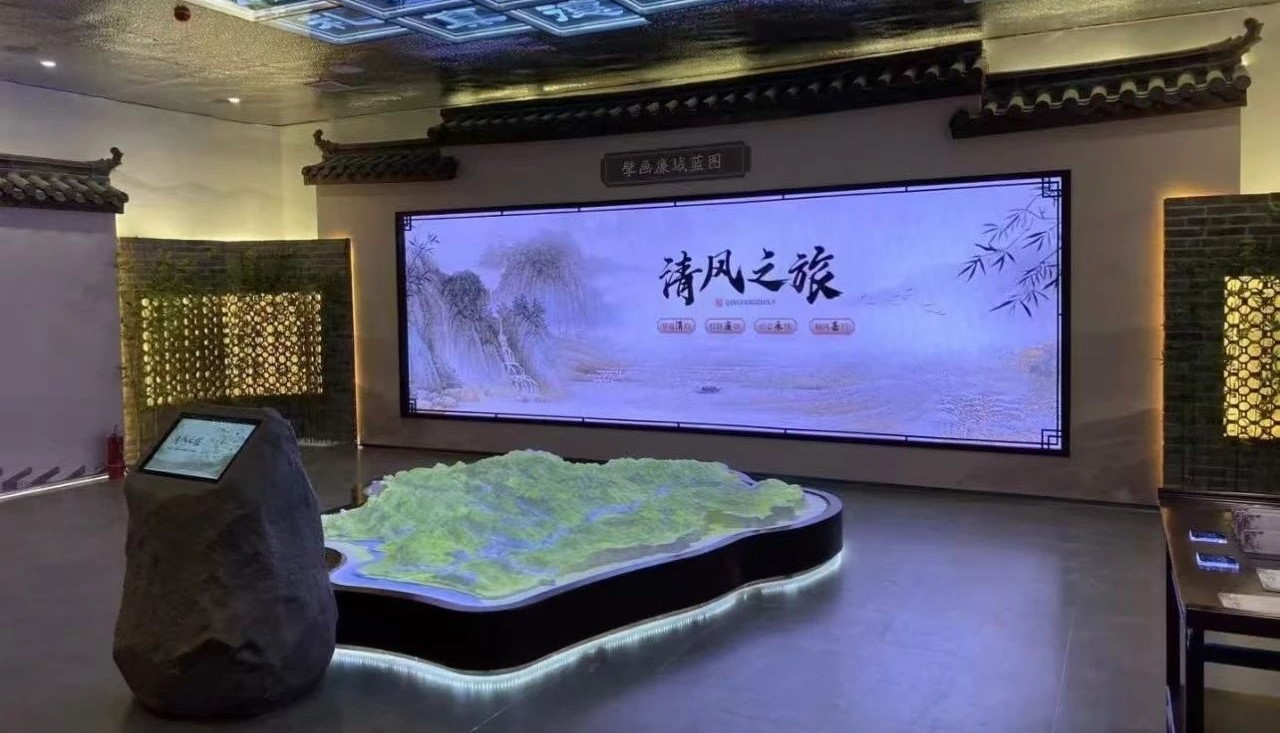
In terms of display effect debugging and scene adaptation, Indoor HD Led Display faces stricter technical requirements in large-scale projects. Large-area spliced screens are prone to inconsistent brightness and color difference between different modules due to production batches and installation errors. Indoor environments feature soft and stable ambient light, which makes tiny color differences and stitching traces more obvious and affects the delicate visual presentation. The most effective solution is to perform full-screen professional color calibration after installation. Through unified parameter debugging of all modules, the whole screen can achieve consistent chromaticity and brightness, ensuring high-definition and uniform picture performance in various indoor business scenarios.
Circuit layout and long-term operational stability are another major difficulties restricting project quality. Large display equipment is equipped with dense power supply and signal lines. Non-standard wiring not only affects indoor beauty, but also causes signal interference and screen flicker, reducing equipment service life. For commercial and public spaces that require long-term uninterrupted operation, later maintenance convenience is also crucial. Reasonable classified wiring, separated power and signal circuits, and hidden wiring design can effectively avoid circuit failures and improve overall safety.
For commercial scenarios focusing on brand display and information release, Indoor HD LED digital signage requires standardized installation processes to maintain long-term stable display effects. Large-scale signage projects need to balance structural firmness, visual aesthetics and maintenance practicability. In addition to precise installation and accurate debugging, reserving independent maintenance channels for each module is essential. This modular installation design allows single-point fault maintenance without disassembling the whole screen, greatly reducing later maintenance time and cost for enterprises and shopping mall operators.
In general, the installation difficulties of large indoor display projects mainly include structural adaptation, precise splicing, effect debugging and circuit standardization. Through scientific pre-construction survey, standardized installation technology and professional post-installation calibration, all common construction problems can be effectively solved. Mature engineering solutions can help large indoor display projects achieve seamless, stable and high-definition display effects, meeting the diverse display needs of modern commercial and smart public spaces.