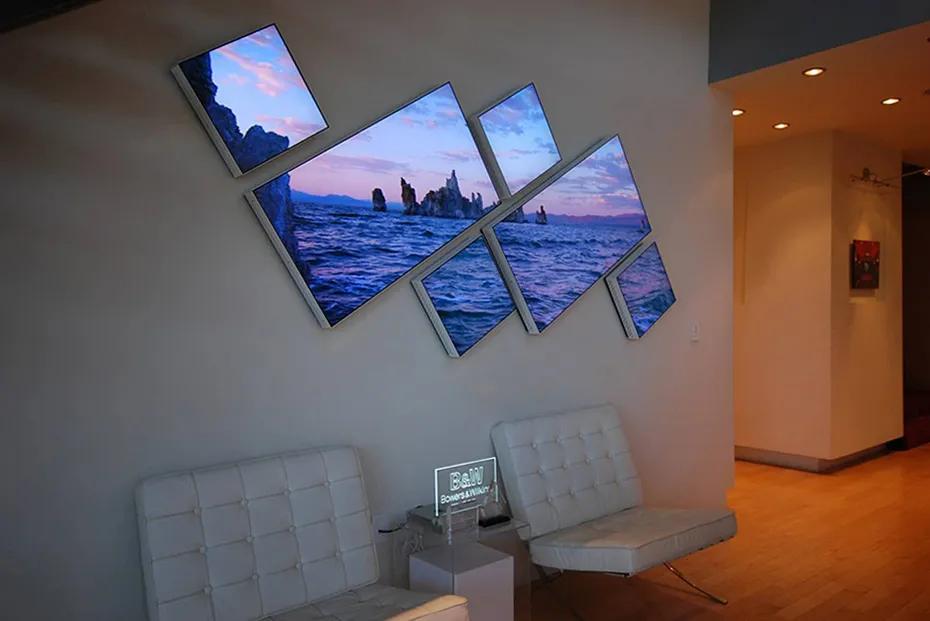
LED displays, with their exceptional brightness, clarity, and rich color performance, have become crucial tools for conveying information and decorating spaces. From the gigantic billboards in bustling cities to the compact screens in home cinemas, LED displays are everywhere, adding unique charm to our lives. However, behind these dazzling visuals lies a core component—the control system.
Today, we're going to delve into the two main control systems of LED displays: synchronous and asynchronous, to help you make a more accurate choice when selecting.
Synchronous Control System: Features and Applications
Basic Working Principle
A synchronous control system synchronizes in real-time with a computer or video source. It requires a direct connection to the computer or video source, ensuring that the content changes on the display are consistent and updated in real-time.
Features
Real-time responsiveness: The synchronous control system reflects all operations and changes on the computer or video source instantly, whether it’s video playback or image switching, with precise timing.
Rich expressiveness: Supports complex animations and video playback, suitable for situations that demand extremely high image quality.
Complex operation: Due to its highly integrated features, it requires some technical knowledge to operate.
Higher cost: Advanced technology and features mean higher costs.
Dependent on computer: Without the control of a computer or video source input, the synchronous system cannot work independently.
Applications
These systems are often used in settings that aim for the ultimate visual experience and real-time interaction, such as live broadcasts of large sports events, high-end conference centers, and theaters.

Asynchronous Control System: Features and Applications
Basic Working Principle
An asynchronous system can pre-load content into its storage and then play independently without a computer, akin to preparing a script in advance and performing it when the time comes.
Features
Simple operation: Users only need to upload content via USB or network, after which the system can play it back on its own, without needing to stay connected to a computer.
Lower cost: A simplified design reduces costs, making it more suitable for budget-sensitive projects.
Wide range of use: Adaptable to various scenarios from outdoor billboards to small retail stores.
Zonal control: Different areas can be set to display different content, meeting diverse needs.
Independent playback: Does not need continuous connection to external devices, enhancing convenience.
Applications
Ideal for scenarios that require long-term independent operation and infrequent content updates, such as information displays at bus stops, small shop promotions, and exhibition shows.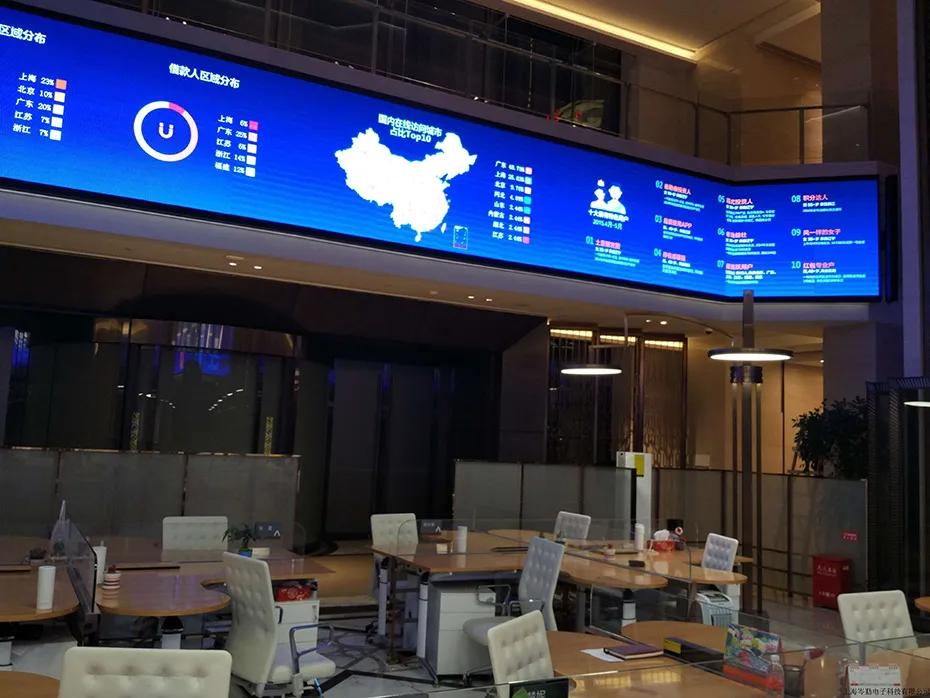
Choosing Between Synchronous and Asynchronous Control Systems
Synchronous and asynchronous control systems cater to different application scenarios. The synchronous system, with its powerful real-time performance and expressiveness, suits those seeking high-quality visual experiences and real-time interaction. In contrast, the asynchronous system, known for its simple operation, cost-effectiveness, and independent playback, is widely used in cost-sensitive and maintenance-friendly scenes.
Selection Guide: Before deciding which control system to use, it's essential to clarify your specific needs and budget. If real-time content updates and high display quality are crucial, a synchronous control system might be worth considering. Conversely, if you're looking for value for money and want the device to operate independently, an asynchronous control system would be an excellent choice. Understanding the core differences between these two systems will help you make a wise decision suited to your needs.