

Definition and Measurement of Color Temperature
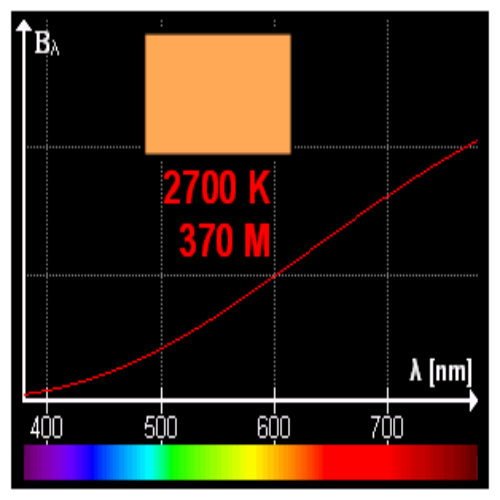
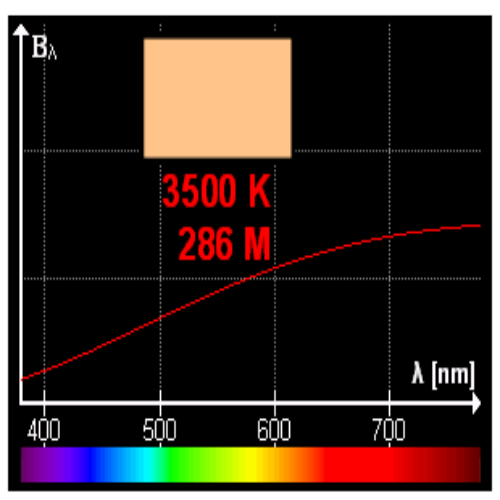
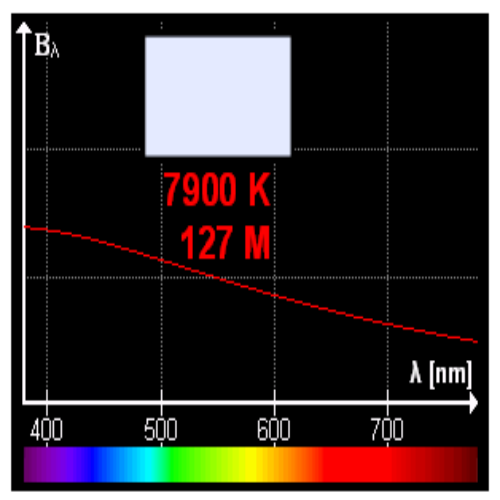
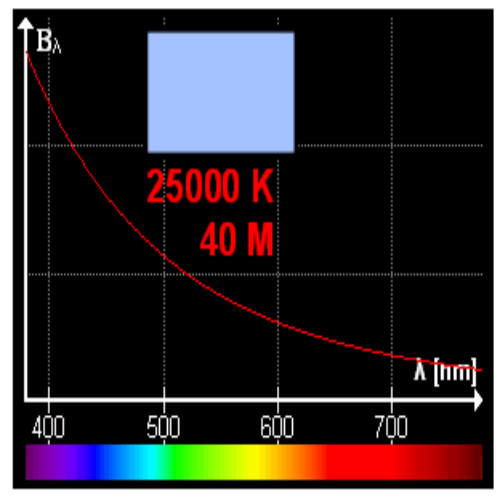
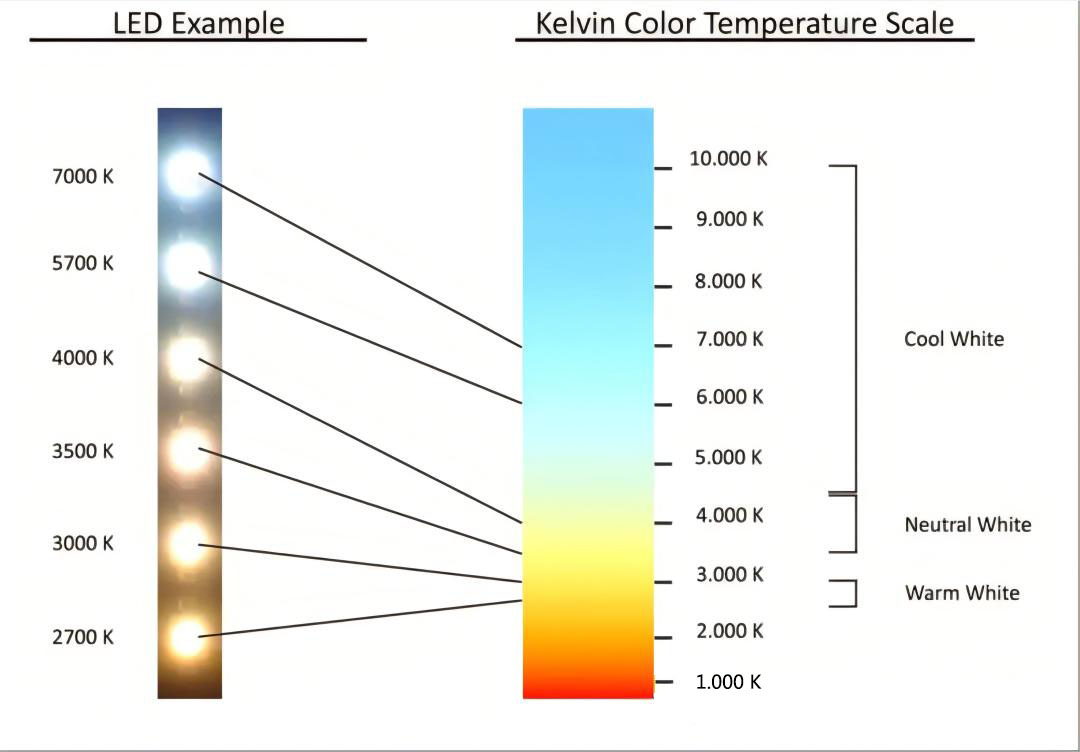
British physicist Lord Kelvin studied and established an absolute blackbody model. When heated, the radiated light from a blackbody transitions through colors roughly like this: deep red – red – orange-yellow – white – blue. This means that if an object is burning, the flame is initially red, then as the temperature rises, it becomes orange-yellow, then white, and finally, blue appears. Kelvin also defined the concept of "absolute zero" (-273.15 degrees Celsius), thereby creating the Kelvin temperature scale, which is the theoretical foundation for what we discuss today as Color Temperature. Kelvin recorded the correspondence between heating temperatures and light colors in a spectrum. The heating temperature required to achieve a certain light color is the Color Temperature of that light, expressed in absolute temperature K (abbreviation for kelvin). As Color Temperature increases, the color emitted by the light source shifts towards cooler tones, and vice versa for warmer tones. Taking a flame as an example, lower values indicate a more "red" appearance, while higher values indicate a more "blue" appearance. Red and blue do not represent the actual colors of the light but indicate a higher proportion of red or blue components in the spectrum.
Influences of Color Temperature on Light Sources
Low Color Temperature (<4000K): Such light sources emit a warm glow, creating cozy and comfortable environments, perfect for homes and bedrooms.
High Color Temperature (>5000K): These sources emit a cooler, more alert light, aiding focus and concentration, ideal for office spaces and other work-centric locations.
People’s preferences for color temperature often reflect their everyday environment. Those living near the equator, experiencing higher average color temperatures, may favor cooler (higher) color temperatures, while individuals in higher latitudes, accustomed to lower color temperatures, might prefer warmer tones.
Color Temperature's Role in Visual Experience
In photography and videography, getting the color temperature right is vital for accurate white balance, affecting the overall scene’s color authenticity. Similarly, in LED displays, adjusting color temperature can alter the image's mood, with higher temperatures lending a cool blue tone and lower temperatures a warm yellow glow. The effect can dramatically change the atmospheric feel of the displayed content.
For virtual settings, such as XR virtual LED display backdrops (a kind of Naked Eye 3D LED Display) used in film, the color temperature can be finely tuned to suit the scene, enhancing realism or creative intent. Interestingly, personal physiology also plays a role; people with dark brown eyes might perceive 9300K as white, while those with blue eyes see it as slightly bluish.

Impact on Emotion and Behavior
Beyond visual perception, color temperature significantly influences mood and behavior. A lower color temperature brings warmth and relaxation, suitable for restful environments. In contrast, higher color temperatures can enhance alertness and efficiency, lending themselves well to productive settings.
Grasping the principles and implications of color temperature enables us to leverage LED displays more effectively, crafting environments that not only look great but feel right too, whether for entertainment, work, or relaxation.