

Pixel Pitch
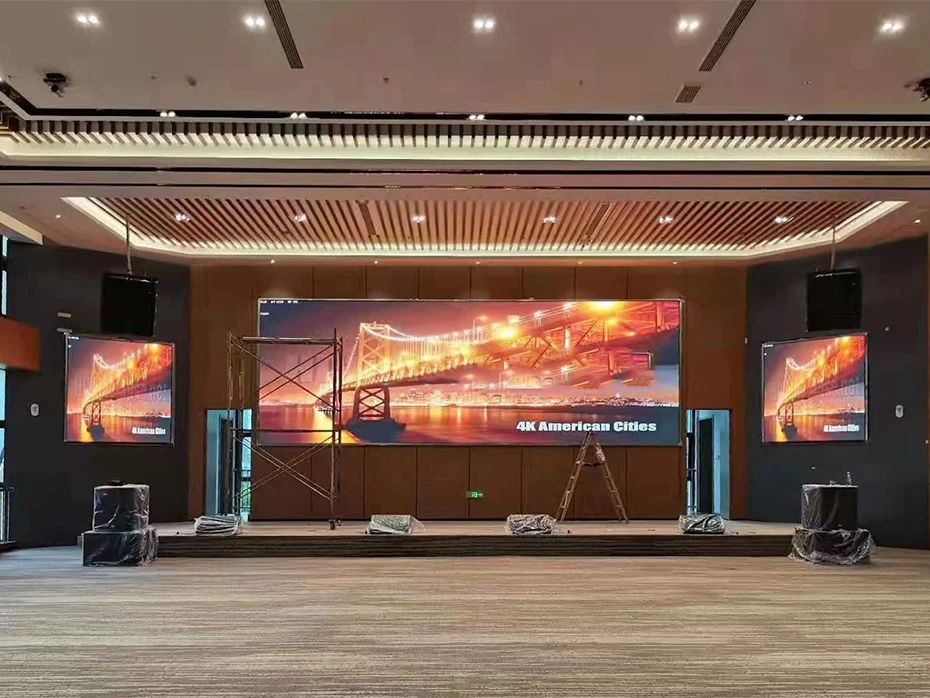
This metric measures the distance between the center points of adjacent pixels, expressed in millimeters (mm). It directly impacts the clarity of the screen. The smaller the pixel pitch, the finer the image detail. For example, Small Pitch COB LED signage like P2.5 and P1.8 are suitable for indoor close-up viewing, while Naked Eye 3D LED Display with larger pixel pitches like P10 and P6 are more appropriate for outdoor displays viewed from a distance.
Pixel Configuration
Common pixel configurations include vertical RGB alignment and RGBW four-color alignment. Vertical RGB alignment arranges the red, green, and blue colors vertically, ensuring each pixel contains complete RGB color information, enabling full-color gamut display.
Resolution
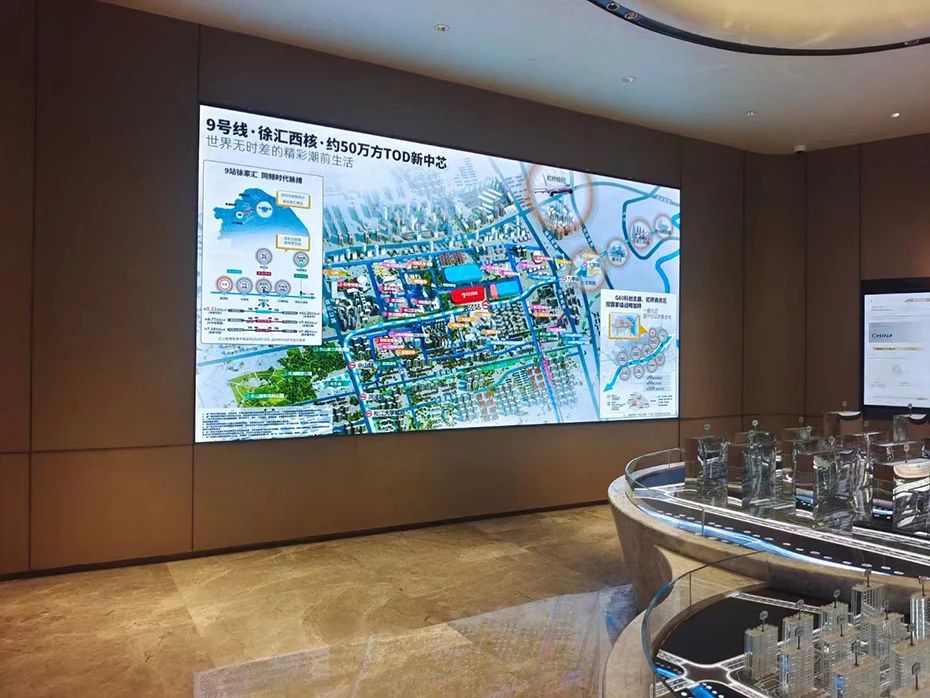
Module resolution refers to the number of horizontal and vertical pixels on an LED module, while screen resolution refers to the total number of pixels horizontally and vertically on the LED display. It determines the detail level of the displayed content, with higher resolutions providing better image and video quality.
Brightness
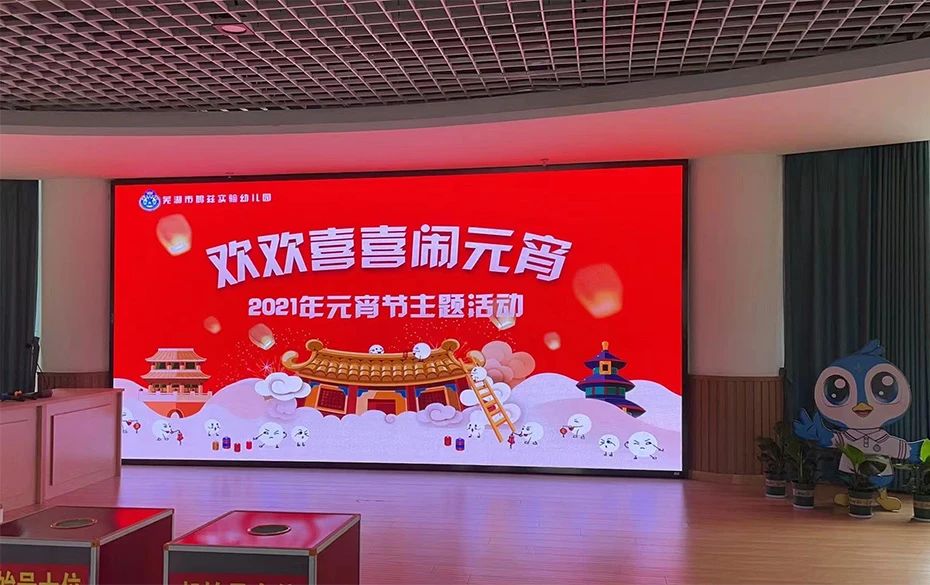
Brightness represents the luminous intensity per square meter of the display, measured in nits. Higher screen brightness improves visibility in strong lighting environments. Indoor LED Display typically have a brightness of around 1000 nits, with Fine pixel pitch LED screen mainly used indoors where rich color expression is important. Therefore, the brightness should not be too high to avoid eye strain from prolonged viewing. Outdoor LED Display require brightness levels above 6000 nits to ensure clear visibility under strong sunlight, while semi-outdoor LED displays have brightness levels between 2500 and 5000 nits.
Contrast Ratio
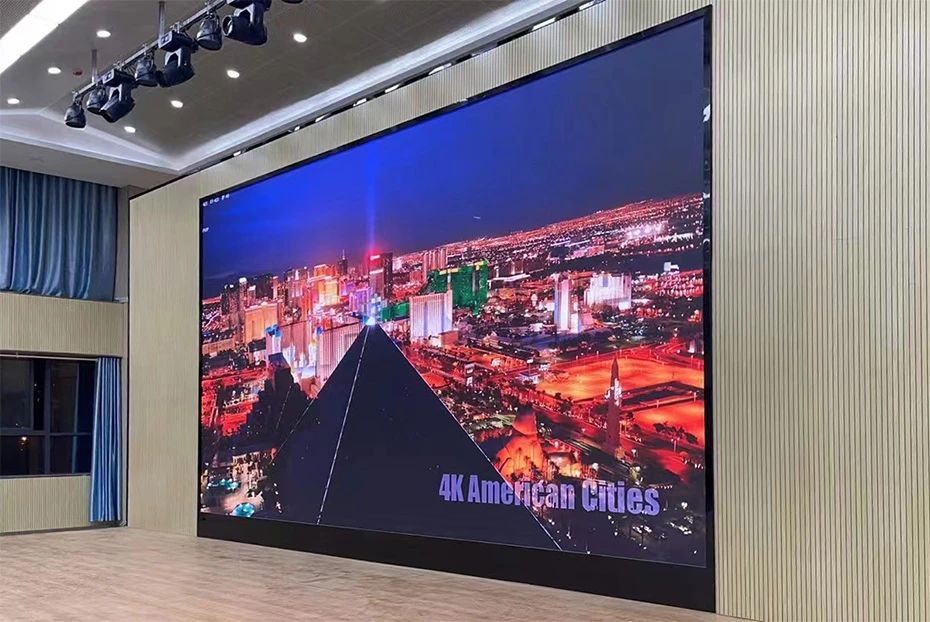
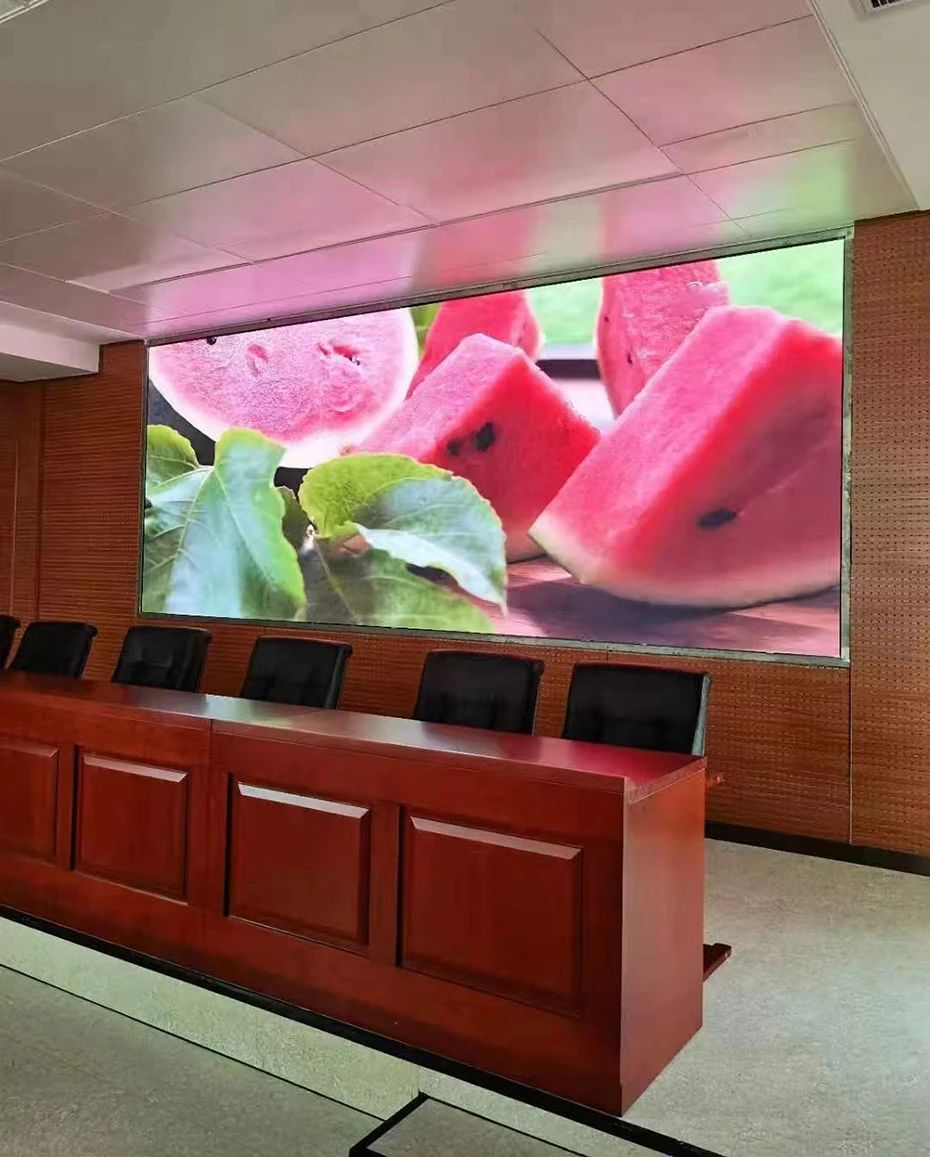
Reflects the range of brightness on the display, i.e., the difference between the brightest and darkest parts. Higher contrast ratios result in clearer images and more vivid colors. Methods to improve LED display contrast include increasing brightness to make bright areas brighter and reducing surface reflectance to make dark areas darker.
Gray Scale
Indicates the brightness gradation of the LED display. Higher gray scale levels allow for smooth color transitions in dark hues, resulting in clearer, more vibrant, and richly colored images with finer detail. Lower gray scale levels struggle to achieve this level of display quality.
Viewing Angle
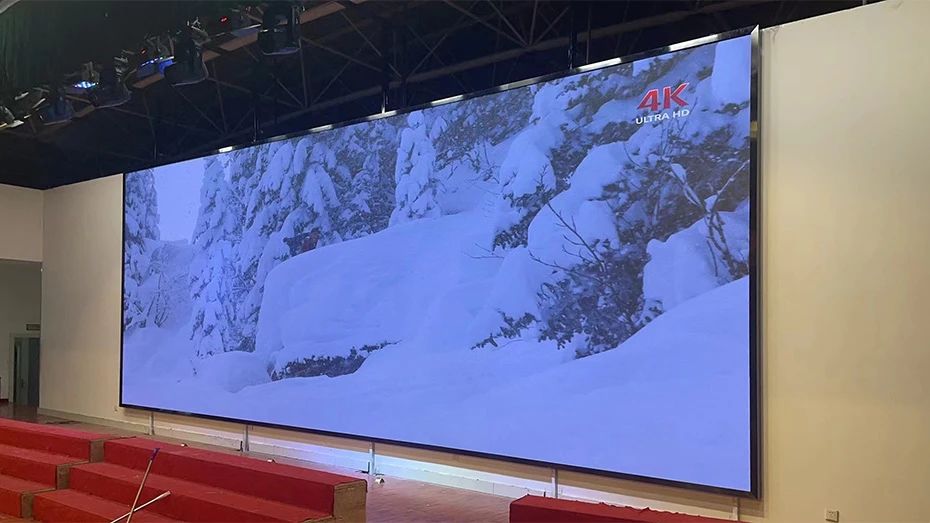
Refers to the angle at which the LED display can be viewed clearly, including horizontal and vertical angles, such as 160°/160°. A larger viewing angle provides a broader viewing range.
Refresh Rate
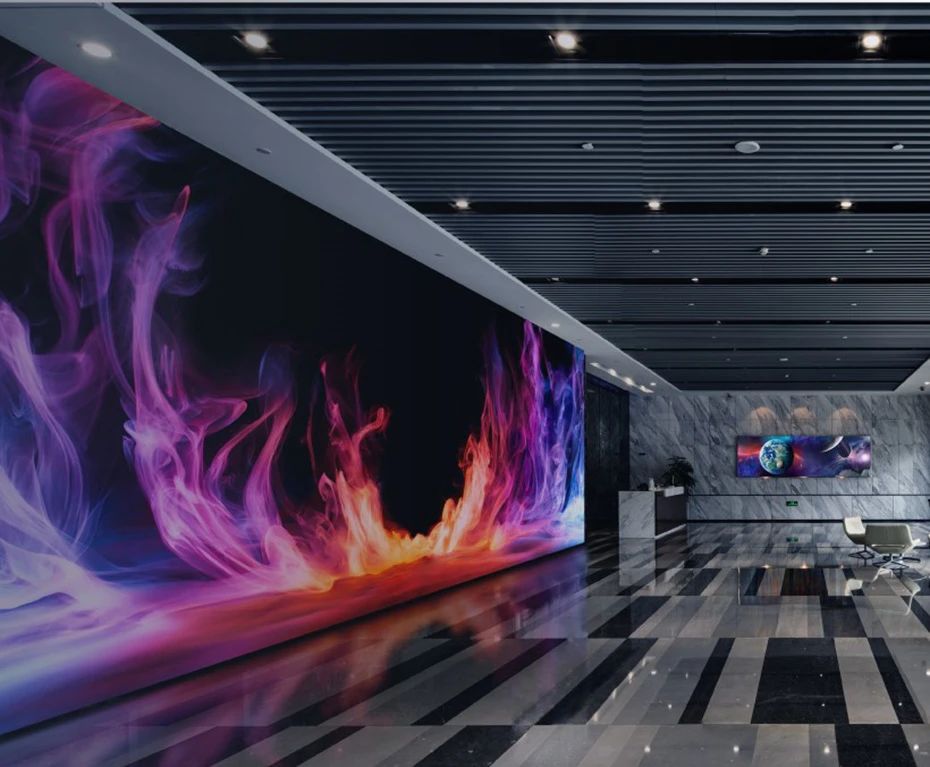
Refers to the number of times the screen refreshes the image per unit of time, a key indicator of the LED display's image stability and anti-flicker performance. The higher the refresh rate, the more stable the image, reducing flicker for better visual comfort.
IP Rating
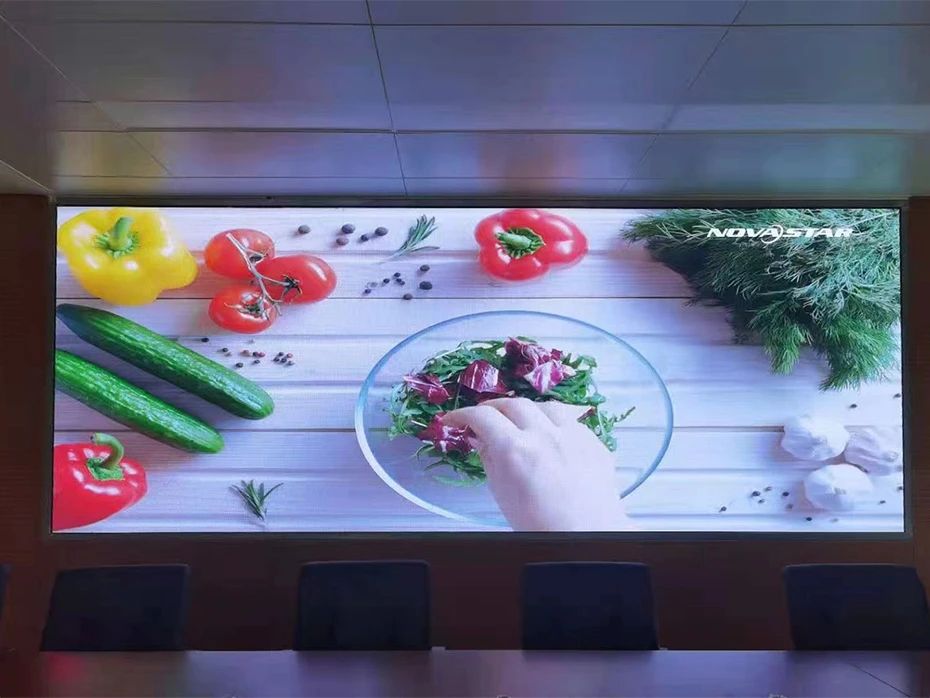
The IP rating of an LED display reflects its ability to resist dust and water. Higher IP ratings indicate broader application scenarios. Common IP ratings include IP20, IP30, IP50, and IP60. For instance, an IP65-rated LED display offers excellent dust and water resistance, making it suitable for outdoor use in harsh environments.
Power Consumption
Typically marked by maximum power consumption and average power consumption. Maximum power consumption refers to the power used when displaying the highest gray scale on a full white screen. Average power consumption represents the power used during typical video playback. This value varies depending on the video source, and it is generally estimated as one-third of the maximum power consumption.
Color Temperature
Color temperature measures the color content in light, expressed in Kelvin (K). Theoretically, blackbody temperature refers to the color emitted by a blackbody as it is heated from absolute zero (-273°C). As the blackbody heats up, it changes from black to red, then yellow, white, and finally emits blue light. The color spectrum emitted at a certain temperature is referred to as the color temperature at that point. The unit is "K" (Kelvin). A color temperature of 6500K is close to noon sunlight, temperatures ≤5500K create a warm tone, while temperatures ≥7000K produce a cool tone. The value depends on the ratio of the primary colors.