

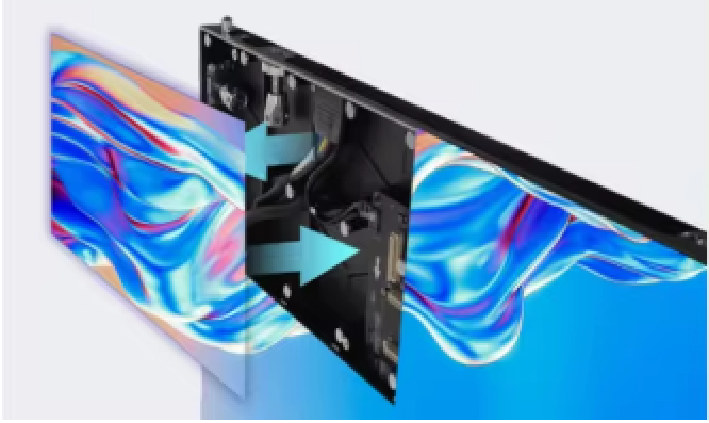
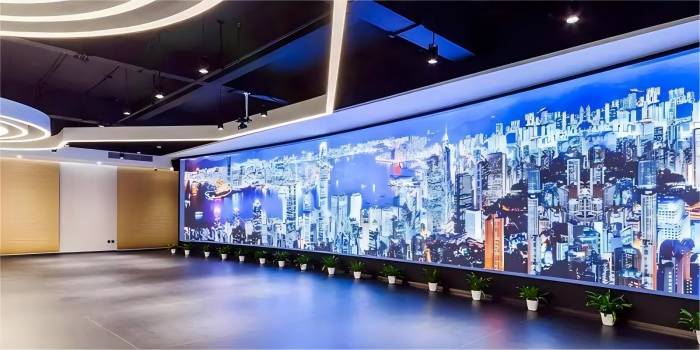
As the size of Small Pitch COB LED signage continues to grow, projects spanning tens of square meters are becoming increasingly common. With such large displays, the physical resolution often exceeds 1920x1200, meaning that each massive LED screen is composed of multiple independent display areas, each driven by its own LED controller. In this context, the role of a video wall processor (or "splicer") becomes crucial. The splicer needs to provide multiple DVI outputs corresponding to the number of LED controllers and seamlessly stitch together the entire LED screen.
Key Considerations for Video Wall Processors
1. Synchronization of Signal Output
One of the biggest challenges with multi-DVI signal outputs is ensuring that the signals are synchronized. If the signals are out of sync, you might see tearing at the edges where the displays meet, especially noticeable during fast-moving scenes. Ensuring that the signals are perfectly synchronized is critical for a successful splicing system.
2. Advanced Image Processing Algorithms
When it comes to image quality, point-to-point display is the gold standard. However, when images are scaled down, ordinary processing techniques or generic FPGA algorithms can lead to jagged edges, missing pixels, and reduced brightness. High-end image processing chips or sophisticated FPGA systems, on the other hand, can significantly improve the quality of downscaled images. Therefore, advanced image processing algorithms are essential for any splicer used in small-pitch LED displays.
3. Non-Standard Resolution Output
Small Pitch COB LED signage are typically made up of identical display units arranged in a matrix. Each unit has a fixed size and resolution, but when combined, the overall screen often doesn't conform to standard resolutions. For example, if each unit has a resolution of 128x96, you might end up with a total resolution of 1920x1152 instead of the standard 1920x1080. In large-scale splicing systems, the display areas controlled by each LED controller may not have standard resolutions. In such cases, the ability of the splicer to handle non-standard resolutions is crucial. This feature helps you find the best way to arrange the display units, optimizing resource allocation and reducing the number of LED controllers and transmission devices needed.
Wrapping Up
Seamlessly connecting Small Pitch COB LED signage requires careful consideration of signal synchronization, advanced image processing, and the ability to handle non-standard resolutions. By addressing these key points, you can ensure that your large-scale LED display project not only looks impressive but also operates efficiently and reliably. Whether you're working on a commercial installation, a sports venue, or a corporate event, these techniques will help you achieve the best possible results.